Learn your lines at your own tempo

Nemolines is the line-memorization app for actors. Reduce any script to first letters, drill it against a metronome, and walk on set word-perfect. Everything on your iPhone, nothing anywhere else.

Download on the App Store
T b, o n t b
136BPM
The Method

Coral Cadence: recall, on the beat

Actors have always drilled lines with first letters and paced themselves with rhythm. Nemolines is the first app to put both in one instrument, and we gave the technique a name. Built on memory research, tuned for the days before a shoot.

• • • •

A steady pulse

A simple, even tick keeps you honest while you recall. You never have to tap along. The beat carries you, not the other way round.

T b, o n

First letters only

Every word becomes its first letter, punctuation kept, line breaks kept. Your eyes get the cue; your memory does the work.

136

Locked tempo

The tempo you set is the tempo you drill. It never shifts mid-run. Change it between takes, like a real rehearsal.

Read Mode

One toggle is the whole method

Full text to learn it. First letters to prove it. The toggle is instant and keeps your place, because losing your spot is losing your nerve.

To be, or not to be, that is the question: whether 'tis nobler in the mind to suffer the slings and arrows of outrageous fortune…
T b, o n t b, t i t q: w 't n i t m t s t s a a o o f…
Abc
A
Abc
Prompter Mode

Hands-free, at your pace

The script rolls past a focal mark at the speed you choose, or locked to the metronome. Drag to correct; it resumes from wherever you land, never from where it wanted to be.

To be, or not to be,
that is the question:
Whether 'tis nobler
in the mind to suffer
The slings and arrows
of outrageous fortune,
Or to take arms
against a sea of troubles
And by opposing
end them.
Private by architecture

Speak it in. It never leaves.

Dictate a script and it's transcribed on your iPhone. The audio never touches a server. No account, no analytics, no cloud. Your unreleased sides stay yours, under NDA and otherwise.

Speak your lines…
To be, or not to be, that is the question
Notes on the method

Reads

No self-tape recorder.
No AI voices.
No streaks.
One mechanic, built properly.

Nemolines does one thing: it makes lines stick. Everything we refused to build is why the one thing works.

Contact

Questions, problems, or a kind word. We read everything.

Opens your mail app. Your message goes straight to us, nowhere else.

Request a feature

What would make Nemolines better for your lines?

Opens your mail app. We build one thing at a time, so requests genuinely steer the queue.

Privacy Policy

Last updated 3rd July, 2026

Terms & Conditions

Last updated 3rd July, 2026

Pedro Pascal calls it "psychotic". Actors have used it for decades.
2 July 2026

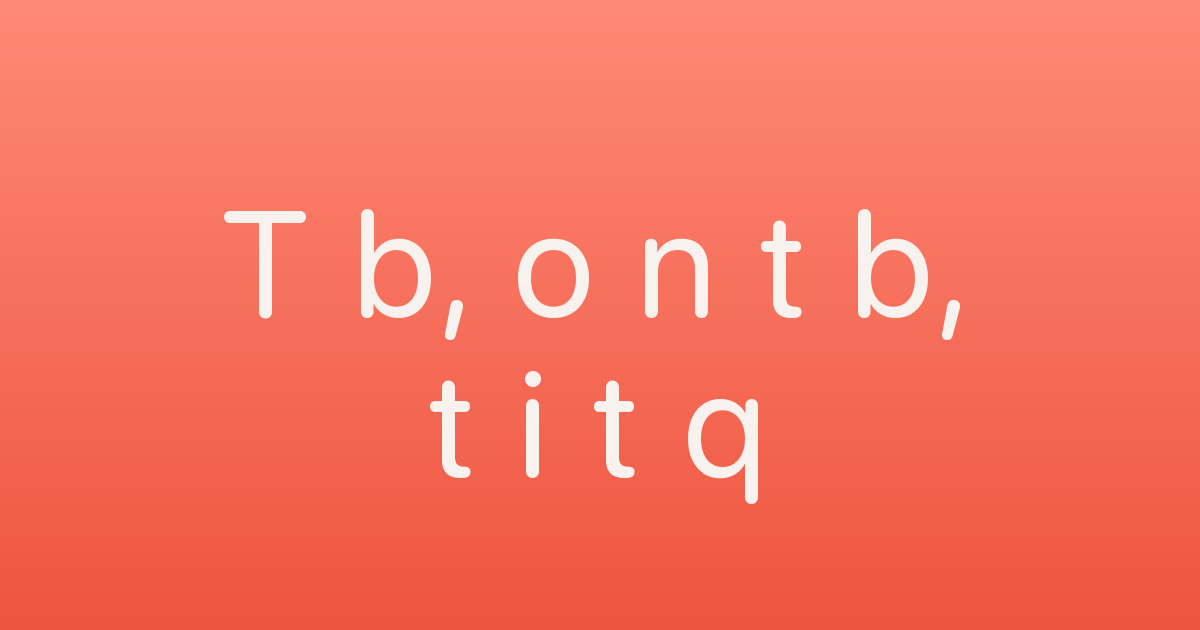
The line To be, or not to be reduced to its first letters on a coral ground.

Take every word in your script. Keep only the first letter. Now try to say the line.

At a SAG-AFTRA Foundation panel in 2024, Pedro Pascal described the way he learns lines: he writes the first letter of every word, in columns, and drills from those. He called it "psychotic". He also explained where it came from: the night he forgot his lines on stage in a Shakespeare play, and swore it would never happen again.

He is in good company. Allison Janney used the same technique to carry C.J. Cregg's walk-and-talks through seven seasons of The West Wing; she picked it up from training that traces back to the Royal Shakespeare Company. Rob Lowe learned it from her on set and has drilled his scripts from first letters ever since, on The West Wing and everything after. Robert Downey Jr. wrote first letters on poster boards for the Sherlock Holmes films, stood back where he could barely read them, and ran the lines against the letters.

Pascal. Janney. Lowe. Downey. Four careers, one trick: keep the first letter, earn the rest.

Why it works

A first letter is the smallest possible cue. It confirms you're right without ever feeding you the word, so every pass is active recall, the same principle behind flashcards and spaced repetition. Read the full text and your eyes glide; read "T b, o n t b" and your memory has to do the lifting. The struggle is the point, and the struggle is what makes it stick.

What Nemolines adds

Pascal writes his columns by hand. Downey needed poster boards. Nemolines does the reduction instantly, on any script you paste, dictate or import, keeps the punctuation and line breaks that act as memory cues, and then adds the one thing paper can't: a tempo. That part is its own story, in the next read.

Why a steady beat helps lines stick

26 June 2026

Four coral pulse dots fading in strength on a charcoal ground.

Musicians count themselves in. Actors mostly don't. The memory literature suggests they should.

Nemolines pairs first-letter recall with a metronome, and the pairing isn't decoration. We designed it around three findings that recur in research on verbal working memory.

A steady pulse supports recall

Studies of verbal memory have found that a simple, even pulse present while you hold and retrieve words can support performance, and the pulse only needs to be there; you don't have to tap along with it. That's why the metronome in Nemolines just ticks. It never asks anything of your hands.

Beats chunk the line

Rhythm gives a sequence structure. Research on beat-based timing suggests the pulse acts like a grouping boundary, the way we chunk phone numbers into threes and fours. Words organized around a beat come back in groups, not one at a time.

A changing tempo interferes

The same literature carries a warning: pacing that fights the rhythm of the words, and rhythms that are complex rather than even, can actively hurt verbal memory. That finding is welded into the app: the tempo you start a drill with is locked until you stop. Change it between runs, like a rehearsal, never mid-line.

The honest summary: this is applied, not proven, territory. The findings are real; the app is our interpretation of them, tuned by drilling real sides. We'd rather tell you that plainly than wave a citation at you.

The fifteen-minute drill: learning sides the night before

19 June 2026

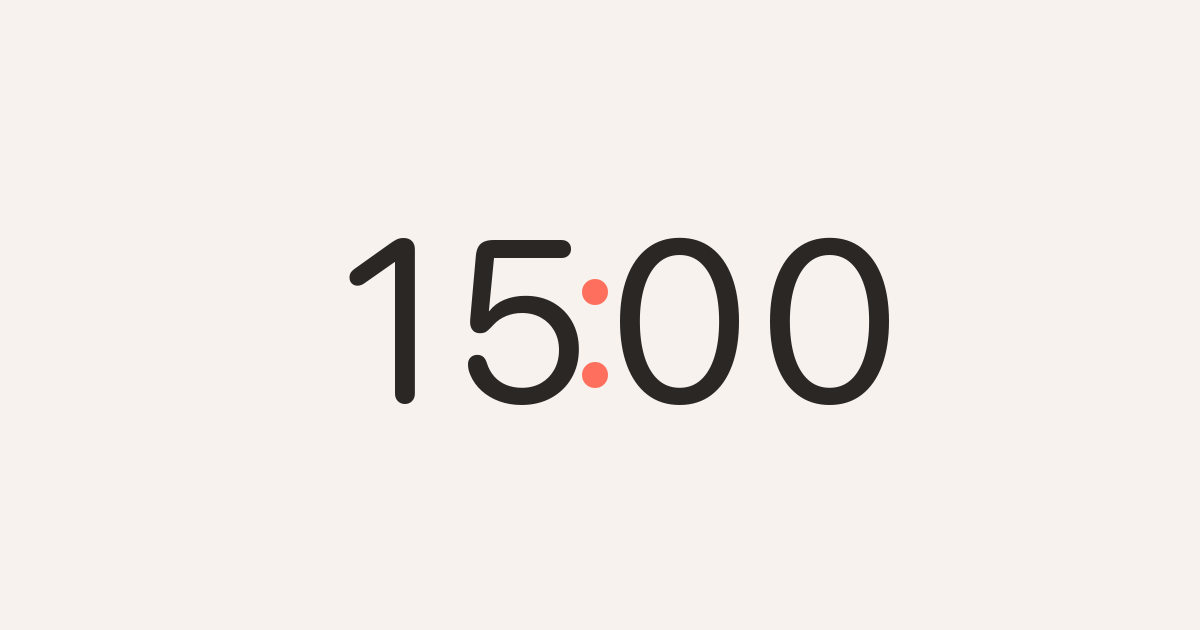
A fifteen minute countdown, 15:00, with a coral colon on a cream ground.

Self-tape at 9am. Sides arrived at 8pm. Here's the drill.

Minutes 0 to 3: read it whole. Paste or dictate the sides into Nemolines and read them twice in full text, out loud, at talking pace. You're not memorizing yet; you're finding the sense.

Minutes 3 to 6: switch to first letters. Tap the toggle in Read mode. Walk the same lines from letters only, and drop back to full text the moment you stall. The toggle keeps your place; your nerve stays intact.

Minutes 6 to 12: Flash mode, slow. Set the metronome around 80 BPM and let the letters come one at a time. Every beat is a word you either know or don't; there's nowhere to hide. Tap to step past a flub. When a run feels clean, stop, raise the tempo a notch, and go again. Tempo changes happen between runs, never during.

Minutes 12 to 15: Prompter, hands free. Stand up, put the phone at eye line, and run the whole side against the scroll like a take. If you drag the text back, it resumes from where you left it, not where it wanted to be.

Then stop. Sleep is part of the method; consolidation does its best work overnight. Run one Flash pass at your locked tempo in the morning and walk in word-perfect.

Join the alpha

Early builds, direct line to the maker, your feature requests actually land.

Opens your mail app. First come, first cast.
Join the alpha
Nemolines

About

Download Press

Support

Contact Request a feature

Legal

Privacy Policy Terms & Conditions
© 2026 Nemolines